Aging at home
10 Signs Your Older Parent May Need Help at Home
Learn the common signs an older parent may need help at home and how to offer practical support without taking over.
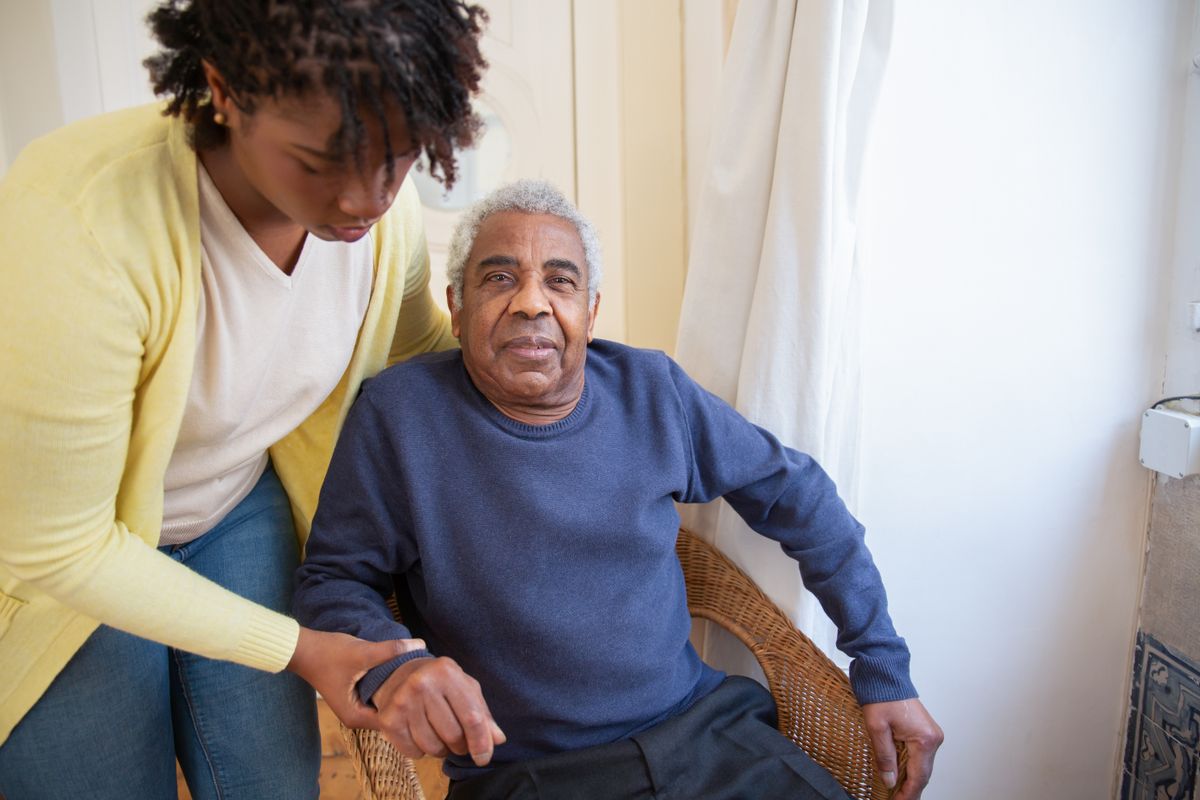
One missed appointment or untidy room does not necessarily mean your parent needs help. What matters is a repeated change in meals, medication, mobility, hygiene, finances, or mood. Noticing that change early lets you offer support before a small problem becomes a safety concern.
10 signs an older parent may need help
- 1. Food is often spoiled or missing, or your parent is losing weight unexpectedly.
- 2. Medicines are missed, doubled, or running out early.
- 3. Hygiene, grooming, or clean clothing have noticeably declined.
- 4. The home has become unusually cluttered, dirty, or unsafe.
- 5. Unpaid bills, unopened mail, or unusual purchases are accumulating.
- 6. Falls, bruises, difficulty standing, or trouble with stairs are more common.
- 7. Appointments are missed or familiar routes have become confusing.
- 8. Your parent is withdrawing from friends, hobbies, or regular activities.
- 9. Their mood, memory, judgment, or personality has noticeably changed.
- 10. They often sound distressed or disoriented during calls.
Before choosing a solution, ask why a task has become difficult. An empty refrigerator could point to transport trouble, low appetite, pain while cooking, poor eyesight, or a tight budget. Each cause needs different help.
Pay attention to health, memory, and mood
New confusion, repeated falls, unexplained weight change, or difficulty walking deserve medical attention. A health care professional can check for illness, medication effects, vision or hearing problems, poor sleep, and mental health concerns.
Social changes matter too. If your parent has stopped doing things they enjoy, ask how they have been feeling rather than assuming it is a normal part of aging.
How to talk to a parent who may need help
Choose a calm moment and start with one observation: "I noticed there was not much food in the kitchen." Ask what is making the task difficult, listen, and involve your parent in deciding what happens next.
- Focus on a shared goal, such as staying safely at home.
- Offer two or three practical options.
- Address the concern causing the most risk or stress first.
- Respect preferences whenever the situation is not urgent.
- Try again later if your first offer is declined.
Support works best when it protects both safety and a parent's sense of control.
Choose support that fits the need
Help with one task does not mean full-time care. Grocery delivery, a medication review, safer lighting, transport, or a regular family check-in may solve the immediate problem. For broader needs, ask a health care provider, social worker, local aging agency, or geriatric care manager about options.
Write down what changed, when it started, and how often it happens. Review the plan after an illness, fall, hospital stay, or other major change.
Sources
- Does an Older Adult in Your Life Need Help? — National Institute on Aging
- Aging in Place: Growing Older at Home — National Institute on Aging
Add a gentle daily point of contact
Daily Care calls at the chosen time and shares a simple summary, helping families stay connected between visits.
Set up a daily call